Robyn Youens, a Footprinter Grant recipient, sends us a report on her first month of her volunteer post with Project Trust in Senegal. She will remain with the project for 8 months.
It’s been over one month since I got on a plane with five other volunteers and flew to Senegal. Now it’s just my project partner, Ayla, and I left here in the town of Yene, a few hours north of the capital, Dakar. It’s still kind of hitting me that we’re actually here. After so long telling people that I’m “volunteering-in-Senegal-for-eight-months-teaching-English-with-a-charity-called-Project-Trust” it didn’t quite feel real actually packing my bag and getting on the plane.
I think because I spent so long focusing on fundraising and packing and saying my goodbyes, I almost didn’t have time to fully consider what was waiting for us in Senegal, but whatever I had imagined, my experience so far has definitely surpassed it. Everything from the sun and dust, to the meal times spent sitting around a shared dish on the floor, to buying bags of “Nekh Soow” (a type of yoghurt) and greeting people in Wolof has been amazing to discover and even better to begin to call daily life. It’s crazy how quickly a place so far away from Scotland can start to feel like home.
With so many new things to try and discover, I’ve been spending lots of time with my journal, and wanted to share a few entries….
Day 1: January 9th
On the 9th of January I flew from Heathrow to Blaise Diagne international airport with five other Project Trust volunteers. In total the flight (with a layover in Lisbon) lasted about 12 hours…
Long travel day today. We (Ayla and I) woke up at 7:30 in my uncle’s flat in London (where I got the train to from Glasgow yesterday), packed our huge rucksacks and made some wraps for the journey. We met the boys who are volunteering in Joal (a few hours south from us) in the underground and travelled to terminal 3. Ate our wraps whilst we waited for the flight. First flight was around 1pm, then we had a layover in Lisbon before a second flight at 9pm. At 1am we touched down in Senegal and got our SIM cards, then Mr T (our in-country coordinator) drove us to Yene. Knackered, got straight into bed.
∼∼∼
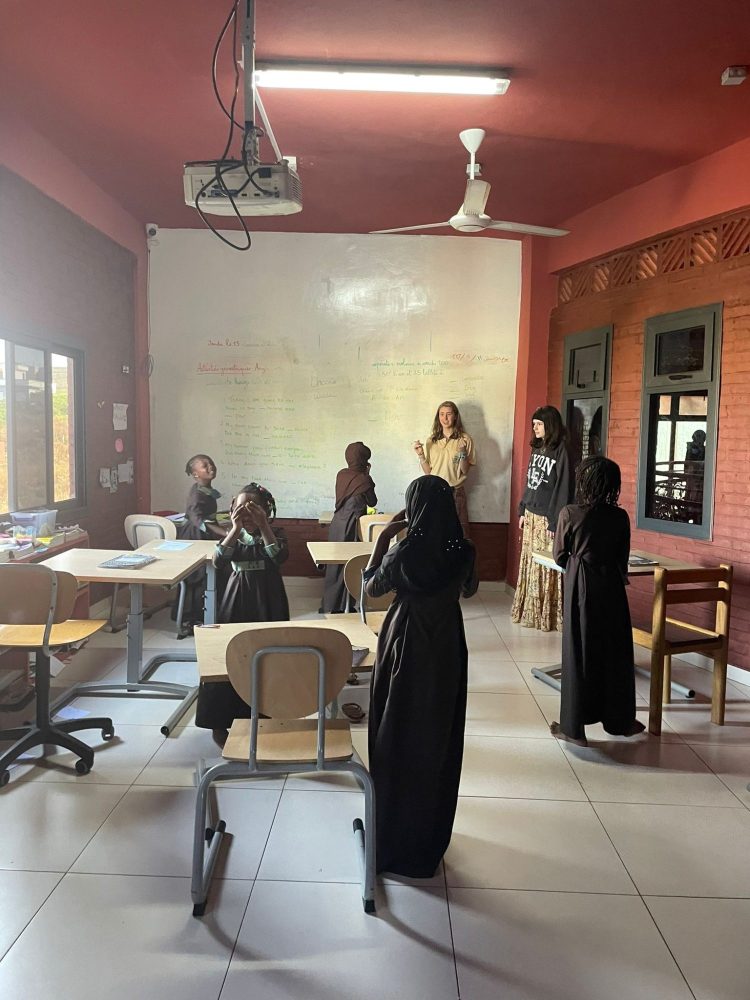
We spent the first few days with Mr Thiome (aka Mr T) and his family (our host family), and settled into our accommodation. We spent time discovering the area, eating traditional Senegalese food with Mr T’s family and travelling to the capital, Dakar for a security briefing at the British Embassy. We then visited Yenne Kids Academy – the international school which has partnered with Project Trust, and the place we are working for the next 8 months. The school’s structure has a very strong focus on the wellbeing of each child, and with very small class sizes, we’ve really been able to get to know each child individually. During our arrival the school’s wellbeing focus of the month has been love, meaning we have been teaching the values of sharing, personal space and respect within classes.
January 10th
First day in Senegal! Woke late and showered. Went to Mr T’s house for our first breakfast, then kept eating at his sister’s where the boys are staying. We walked to the beach with some of the kids, and collected shells (les cochillages) together. Joined an impromptu dance circle on the way home. Lunch was our first Theinboudienne (a traditional Senegalese dish made with rice and fish).
Some of the food we’ve tried so far…
| Thienboudienne (traditional rice and fish dish, eaten sat around a big dish on the floor) Maffe (rich peanut stew) Fondé (the kids eat this for breakfast at school – it’s like a porridge made with a grain called “arraw” and sweetened with milk, or evaporated milk) Nekh Soow (super cheap fresh yoghurt which usually tastes like yogurt and honey, but we’ve started our own custom order with no sugar for breakfast, best served with Ayla’s homemade granola, my banana oat pancakes or Bisko biscuits for dessert) Beignets (fried dough balls that taste like donuts, but each are different – we’ve tried ones that taste like coconut, banana and cinnamon) Cafe Touba (sweet coffee made with cloves and plenty of sugar. A small cup can be bought for less than 10p and goes great with a beignet!) Chocopain “Y’a pas mieux dans ton pain” (it’s true, there’s nothing better on your bread – it’s like Nutella but made with peanuts) Lots and lots of onions! (they’re very cheap and served with almost every meal) And we’re excited for the mango season coming soon… |
Our new home in Yene Nditarh and settingly in to Yenne Kids’ Academy (YKA)
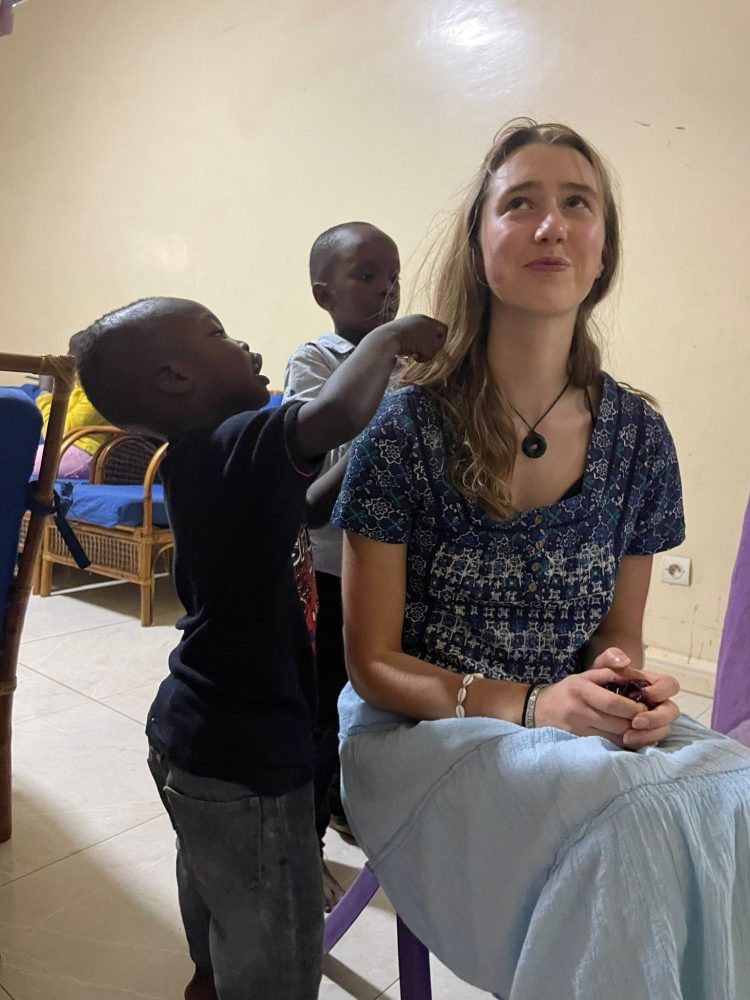
In the first week at YKA we began by shadowing teachers to observe lessons and planning, as well as helping in lessons. Then the next two weeks we took on our own classes: CM1 (grade 4), CE1 (grade 2) and CP1 (nursery). I’ve found the teaching difficult at some points but very rewarding, especially trying different lesson structures and activities to engage the classes. We’ve focused on English grammar concepts, reading, phonics and writing. Getting to know each student has been one of my favourite parts: because the class sizes are very small, it’s much easier to give attention to each child and you quickly come to learn each of their personalities. And during break and lunch when the restraints of the classroom are gone, it’s lovely to see how they act. For example one of the students in CM1 is fairly quiet in class, and doesn’t often put up his hand to answer questions, but in the playground he’s the one who kicks the football hardest (you don’t want to be too close!) and goes around doing one-armed handstands!
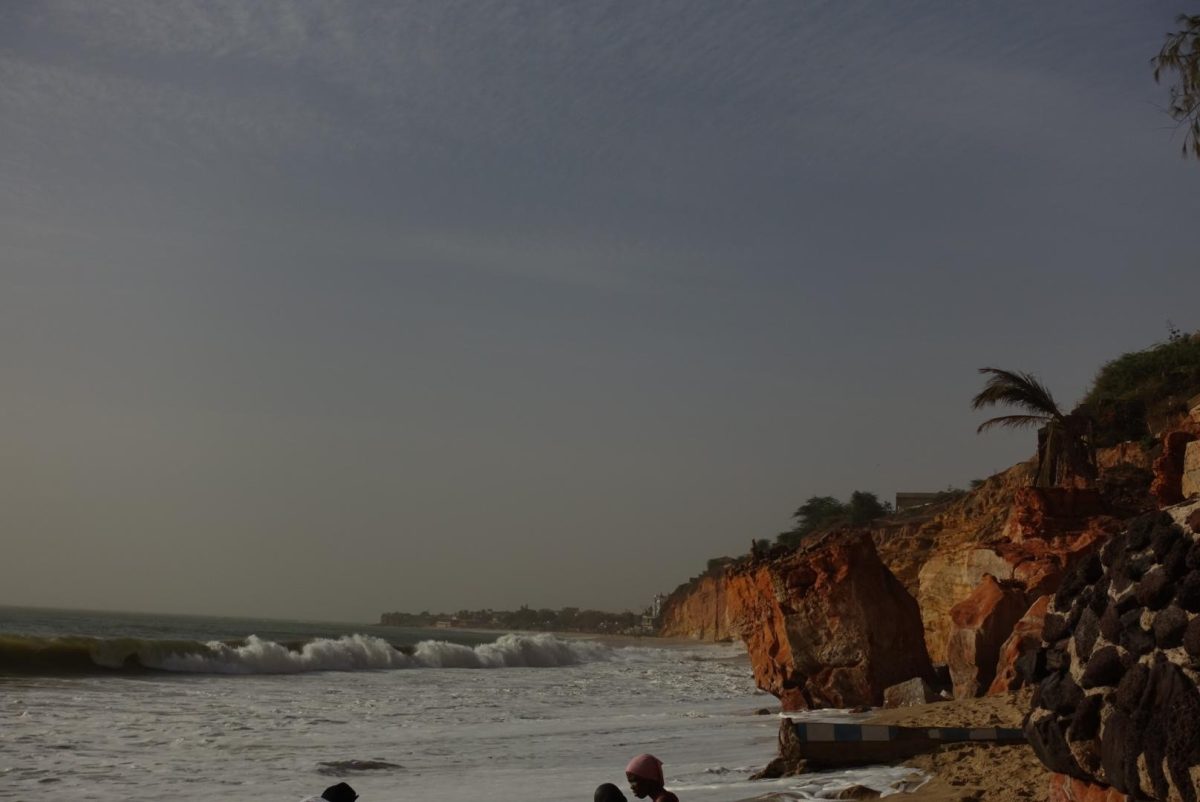
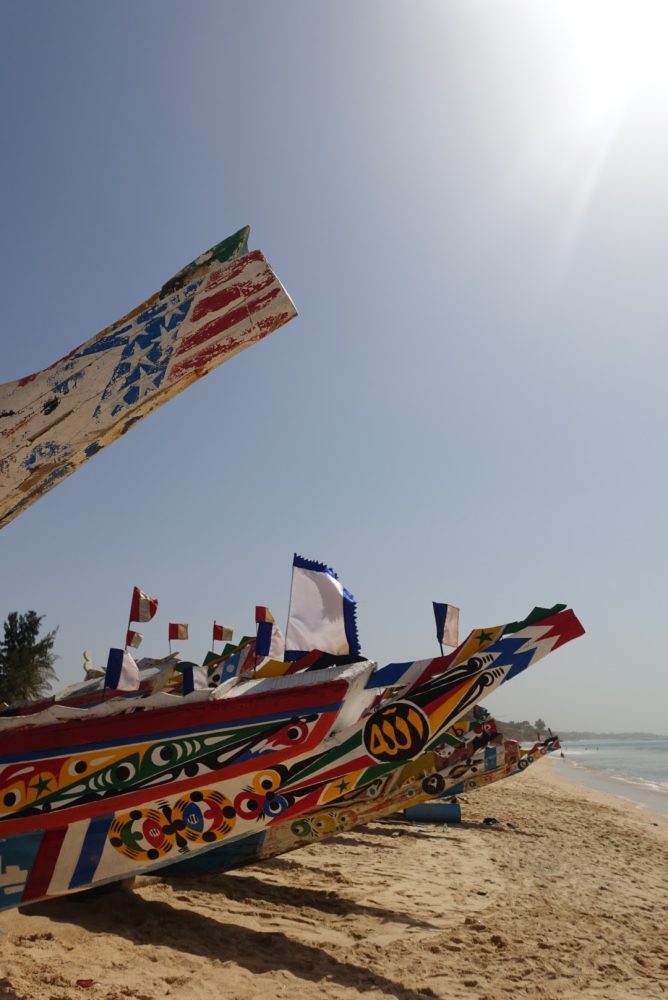
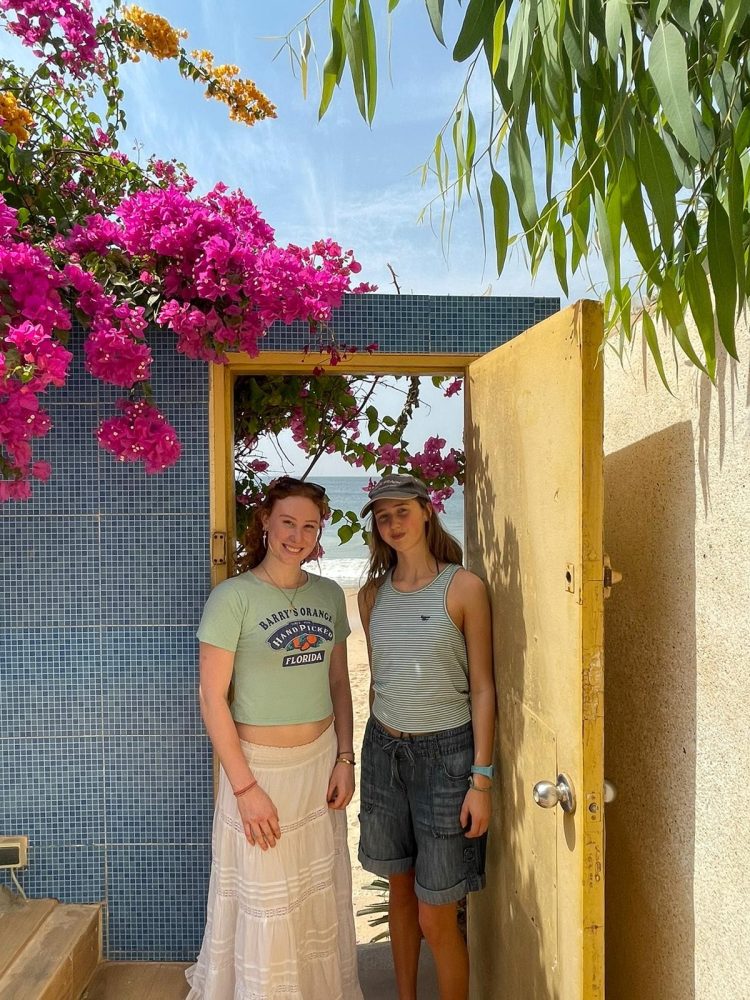
Outside of school the scenery is gorgeous, and we spent one weekend at one of the other teachers’ houses with the most magical door straight from her house onto the beach, along with some other volunteers. In our free time we have been working on our French and Wolof, trying local foods and discovering new places. We also watched the African Cup final where Senegal won, and experienced the crazy celebrations in the streets afterwards!
January 13th
First day at YKA! We got a taxi to school with Maman Amy (the school’s head of student wellbeing), and then got a tour of the school, some very large t-shirts (they only had xl) and some fried up beans we’ve been told by one of the other teachers are gonna mess up our stomachs. We watched some of Ms Rokhaya’s classes (CM1, which is Grade 4, and CE1, Grade 2). After being vegetarian for so long, eating some meat during school lunch was a bit much and I ended the day feeling sick and dizzy (or maybe it was those beans…)
I spent the next day sick and off school. Being immersed in so many new things, and meeting new people meant there had hardly been any time to miss home, but being ill made me feel homesick for the first time; it’s easy to miss the comforts of home when you’re in bed feeling sick and sorry for yourself. Dr Korka, the director of our school came round and gave us all the most uplifting talk about settling in, how we feel vulnerable when we’re ill and abroad and how supported we are, which was lovely to hear.
January 17th
I think today has been one of my favourite days so far. We had a lazy morning stretching and eating watermelon from last night (which we asked the restaurant we live next to to cut up for us). In the afternoon we walked to one of the other English teachers’ houses with some of the other volunteers and spent the rest of the day eating snacks, playing Monopoly and walking on the beach… Went out to a beach bar afterwards which had very gingery cocktails.
January 18th
ALLEZ SENEGAL! We won the African Cup!! Such a crazy night watching the match outside the Mayor’s building. We managed to get front row seats with the kids at the front. Hands down the most dramatic football match I’ve ever watched, although I didn’t get to see a lot cause all the kids kept standing up when they thought a goal had been scored. On the way home celebrations were mad in the street: there were flamethrowers and dancing and motorbikes flying by. Afterwards, we met at Mr T’s to eat a creamy sweet peanut soup made with grains, raisins and a fruit called bouye (which comes from the Baobab tree). I think at this point 50% of my body must be peanuts – we’ve been eating so much peanut butter! On the way to the football match I was given my first Senegalese name: Diarra.
January 25th
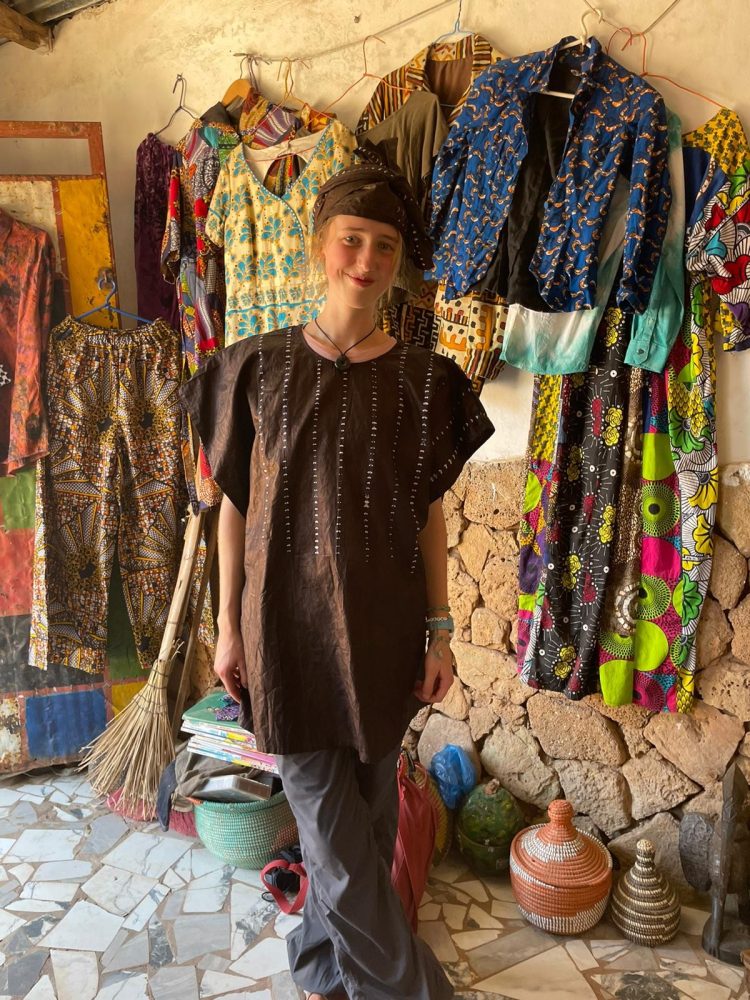
A perfect chill Sunday: woke up fairly late, went to a place down the street to eat baguette and petit pois for breakfast with a cup of Kinkeliba tea. Had some chill time to look over lesson plans, washed my clothes and went for a walk towards Yene Tode. We did a little shopping on the way, and I’ve very happy with my haul – four tops and a denim jacket for £3! Got a bit burnt though, oops… Picked up some food and our weekly order of Nekh Soow (sans sucre). Had a quick Wolof lesson with our landlord, Ousmane, then cooked up some pasta and fried oreos (heavenly, but definitely not Senegalese; they were the influence of our American roommate Aniya). Did a little bedtime yoga and read my book before going to bed.
January 31st
What a day. To begin with we had some cash issues, but after we managed to set up a Wave account and get some cash (success no. 1), we set off on a trip to the local town of Toubab Dialaw. Stopped to buy some very comfy trousers and drank cafe touba (our first taste) at a cafe, where we chatted to the owners about university, learning languages and Senegalese history. Also managed to wrangle a deal of free coffee with my purchase (success no. 2). We carried on with some more shopping (with purchases including a tank top, some carved wooden birds for good luck and some Senegalese football shirts!) We returned home to buy some food for lunch, and ate sandwiches and ice creams while we rested from the sun. We made a quick pesto pasta, then were back on the road to find a concert that we’d been invited to for the evening. Didn’t find the concert we’d been invited to, but we did find some music and stayed out dancing late (or early…) into the night!
∼∼∼
A new home away from home
Walking the streets of Yene, I can see the similarities from home but at first glance it is completely different: cars and colourful buses pass by on the tarmac, but so do sheep, cows and horse-drawn carts. Everyone is selling everything, but browsing in little shops where everything is tucked away can be difficult, so it’s best to know what you’re looking for. There are an abundance of stalls selling fresh oranges and bananas, meats and vegetables, peanuts and beignets, and often women with big dishes of food during the mornings and evenings. Shops seem to sprout from everywhere so you’re never quite sure if you’re walking into someone’s boutique, or their house. We recently went to visit Dakar for a couple of days and the contrast to our quiet village life is instantly noticeable: we spent hours walking the streets shaped by thick forests of markets. Some were jungles of fresh produce and earthy smells, growing fishier at their centre: on the outside there were souvenirs, artwork and clothes; then further in there were vegetables; before at the centre all you were surrounded by was fresh fish. Other markets seemed to never end (just like the enthusiasm of their owners when they want you to buy something…) and you can spot everything you could ever need from clothes to phone cases to bags of peanuts. The choice is overwhelming.
Another thing I’ve really enjoyed about our time so far is meeting new people. As someone who can naturally be shy talking to new people, meeting so many people and talking in languages in which I am far from fluent was something that made me both anxious and excited before coming out, but even in the short amount of time so far in Senegal I’ve already seen my confidence grow. Almost everyone is so friendly, welcoming and eager to teach you a Wolof phrase or two. And you pick up customs in conversation quickly, even if you don’t know all the words. For example, there will often be three or four rounds of greetings in Wolof and French before you even start your conversation, so it is definitely good to have a few in your back pocket, ready to go!
Learning to adapt to a different culture has been exciting, but at times also confusing. Walking down the street we’ll often be followed by calls of “Toubab” from giggling kids – the word for “white person” or “foreigner”. Most of the time we smile and wave back, and it’s nice to have the attention, to give little kids handshakes and say “Bonsoir!” It’s certainly better than being ignored. But sometimes it can begin to feel more mocking than friendly. It would be easy to take it as an insult, a feeling of unwelcomeness, but I think it’s an important reminder, a nudge to reality, not to shy away from everyone but to remember we are guests in another country. And so we have to make the effort that guests make: we keep learning Wolof, learning more about Senegalese food and clothing and opening ourselves to conversations with new people. It’s normal that kids look at us weirdly – we look different, but what’s important is that we don’t let that hold us back from talking to people, from learning about Senegal and speaking Wolof. Embracing our differences has allowed us to share more about where we come from, to open ourselves up to new experiences and start interesting discussions.
Some people act surprised when we tell them we’re here to volunteer, we’re not holiday tourists, and it makes me proud to be working at YKA. Teaching kids and going to work with other teachers at the school every day has given us a perspective of Senegal that we would have never got from just travelling, and it’s something I’m so grateful for. And the time is going too quickly! It has already been almost two months but it could be two weeks. I’m excited for what the next six months hold: learning more Wolof, fasting for Ramadan, travelling and discovering new places, beginning to teach adult evening English classes. There’s so much potential, and one thing I’m sure of is that, when the time comes to board the plane to go home, Le Sénégal va me manquer.